
- ZamanSafi
- 06 Apr 2026
Best Vehicles for Small Businesses: Delivery Vans, Pickups, and Fleet Basics
Small businesses rarely have room for the wrong vehicle choice. One van or pickup that is too small, too thirsty, or too unreliable can drain profit faster than many owners expect. The right one does the opposite. It keeps deliveries on time, protects tools and cargo, lowers downtime, and gives a growing company more capacity without forcing a huge leap in overhead.
That is why the best work vehicle is not simply the cheapest one on the lot or the most popular nameplate online. It is the model that fits your route pattern, cargo profile, drivers, and service environment. A bakery making city deliveries has very different needs from an electrical contractor, a farm supplier, or a regional retailer moving stock between branches.
## How to Match a Small Business Vehicle to Daily Work
The first step is to think about the job before the badge on the grille. Many buyers start with brand preference, but fleet decisions are stronger when they begin with payload, cargo protection, loading frequency, and distance covered each week. A van that shines in dense urban traffic may feel out of place on rough rural roads. A pickup that handles towing with ease may waste money if most work is light parcel delivery in town.
A practical shortlist usually comes from five basic questions.
- **Cargo type**: Are you carrying boxed goods, tools, perishables, ladders, loose materials, or mixed loads?
- **Route pattern**: Is the vehicle doing short stop-and-go trips, long highway runs, or a mix of both?
- **Operating surface**: Will it spend most of its time on paved city roads, construction sites, or rural tracks?
- **Crew needs**: Do you need two seats, five seats, or room for a whole service team?
- **Growth plan**: Are you buying one vehicle for today, or choosing a platform you may repeat across a small fleet?
Once those answers are clear, the decision between delivery van and pickup becomes much easier. In many cases, the most cost-effective option is the one that reduces extra trips, keeps cargo secure, and can be serviced without long waits for parts or workshop time.
## Best Delivery Vans for Retail, Courier, and Urban Service Routes
Delivery vans are often the strongest choice for retail transport, parcel runs, and mobile trades working in built-up areas. Their biggest advantage is enclosed cargo space. Stock, equipment, and customer orders stay protected from weather, dust, and theft. Sliding side doors and lower load floors also make repeated stops easier on drivers over a full working day.
For smaller city routes, compact vans still make a strong business case. Models often mentioned in this category include the Ford Transit Connect, Ram ProMaster City, Mercedes-Benz Metris, and Nissan NV200. They are easier to park, easier to turn on narrow streets, and usually cheaper to fuel than larger commercial vehicles. For florists, pharmacies, light catering, maintenance teams, and courier services, that combination can be exactly right.
When volume matters more than footprint, full-size vans rise to the top. The Ford Transit, Ram ProMaster, Mercedes-Benz Sprinter, Chevrolet Express, and Nissan NV3500 or Urvan are established choices because they offer far more cargo room, stronger payload ratings, and useful roof-height options. High-roof versions are especially valuable for businesses that want shelving, racks, refrigeration units, or space for staff to work inside the vehicle.
A few features matter more than the brochure headline numbers:
- Low cargo floor
- Wide rear opening
- Sliding side door access
- Tie-down points
- Roof height options
- Easy shelving installation
[Electric](https://zamansafi.com/cars/bodyStyle/ELECTRIC) and [hybrid](https://zamansafi.com/cars/bodyStyle/HYBRID) options deserve attention too, especially for fixed urban routes. If daily mileage is predictable and charging access is realistic, an electric van can cut running costs and workshop visits. For many small firms, that works best as a planned step rather than a rushed switch.
## Best Pickup Trucks for Trade Work, Rural Operations, and Towing
[Pickups](https://zamansafi.com/cars/bodyStyle/PICK%20UP%20TRUCK) remain the backbone of many service businesses for one reason: flexibility. They handle rough conditions, oversized materials, and towing jobs that would push many vans beyond their comfort zone. If your business carries generators, fencing, pipe, construction supplies, landscaping materials, or trailers, a pickup often makes better sense than an enclosed van.
Light-duty trucks like the [Ford F-150](https://zamansafi.com/cars/make/FORD/model/F-150), Ram 1500, Chevrolet Silverado 1500, Toyota Tacoma, and Toyota Tundra suit businesses that need a balance of payload, passenger space, and daily drivability. They work well for supervisors, mobile technicians, and owners who split time between site visits and cargo duties. Crew cab versions are especially useful when staff transport matters as much as load space.
For harder commercial work, heavy-duty models move into focus. Trucks like the Ford F-250, Ram 2500, and Silverado 2500 offer stronger towing and hauling capability for demanding jobs. That matters in contracting, agriculture, utilities, and supply operations where trailers or dense loads are part of the routine. In many African markets and across tough-use environments more broadly, the [Toyota Hilux](https://zamansafi.com/toyotahiluxforsaleinuae) has built a strong reputation as a durable workhorse. Its appeal is simple: strong reliability, proven toughness, and solid resale demand.
The trade-off is equally simple. Pickup beds are open. Cargo security requires covers, canopies, or lockable toolboxes. Weather exposure is part of the equation. Fuel use may also be higher, especially with larger engines and heavy loads. Even so, businesses that truly need towing power or off-road ability are usually better served by a pickup than by trying to force a van into the wrong role.
## Delivery Van vs Pickup Truck: Which Is Better for a Small Fleet?
There is no universal winner. The right answer depends on where the vehicle works and what it carries.
| Business use case | Best vehicle type | Strong examples | Why it fits |
|---|---|---|---|
| City parcel delivery | Compact cargo van | Transit Connect, NV200, ProMaster City | Easy parking, better fuel economy, secure cargo |
| Retail stock transfer | Full-size cargo van | Ford Transit, Ram ProMaster, Sprinter | Higher volume, weather protection, branding space |
| Mobile trade service | Full-size van or crew pickup | Transit, Sprinter, F-150 crew cab | Tools, shelving, staff transport |
| Construction and rural service | Pickup truck | Hilux, F-150, Tacoma, Silverado | 4x4 access, open-bed versatility, tougher terrain |
| Heavy towing and equipment hauling | Heavy-duty pickup | F-250, Ram 2500, Silverado 2500 | Strong towing and payload performance |
| Mixed urban fleet growth | Standardized van platform | Transit or ProMaster fleet mix | Simpler maintenance and driver familiarity |
Many small businesses end up with both. A van handles protected deliveries and city efficiency. A pickup covers rural calls, towing, and awkward cargo. That mixed approach often works well once the company has enough demand to justify role-specific vehicles.
If the budget only allows one work vehicle, lean toward the job you do most often, not the occasional task that looks dramatic in a sales pitch.
## Fleet Basics for Growing From One Work Vehicle to Several
Fleet growth changes the buying process. Once a business goes from one vehicle to three, five, or ten, the conversation shifts from purchase price to total operating cost. Fuel, downtime, service intervals, tires, insurance, and resale value start to matter more than cosmetic differences between trims.
Standardization helps. When several vehicles share the same platform, training gets easier, parts stocking is simpler, and drivers move between units with less adjustment. A small fleet built around one or two core models is often easier to manage than a collection of unrelated bargains.
The fundamentals are straightforward:
- **Standardize where possible**: Fewer powertrains and body styles usually mean easier maintenance planning.
- **Track real operating costs**: Fuel, tires, unscheduled repairs, and lost working hours matter more than sticker price alone.
- **Plan preventive service**: Routine maintenance is cheaper than emergency downtime during peak demand.
- **Use route data**: Mileage patterns tell you whether compact vans, full-size vans, pickups, or EVs actually fit your work.
- **Protect resale value**: Service records, clean interiors, and proper upfit installation support stronger future trade-in results.
This is also the point where buy-versus-finance decisions deserve a serious review. Some businesses prefer ownership for long-term value. Others want predictable monthly costs and the ability to refresh vehicles on a set cycle. There is no single best answer, but cash flow discipline usually beats impulse buying.
## Buying Used Fleet Vans and Pickups With Confidence
Used commercial vehicles can be excellent value when they have been inspected properly and matched to a realistic workload. Many small businesses do not need brand-new stock to get reliable service. In fact, late-model used vans and pickups can free up capital for inventory, staffing, or expansion into new routes.
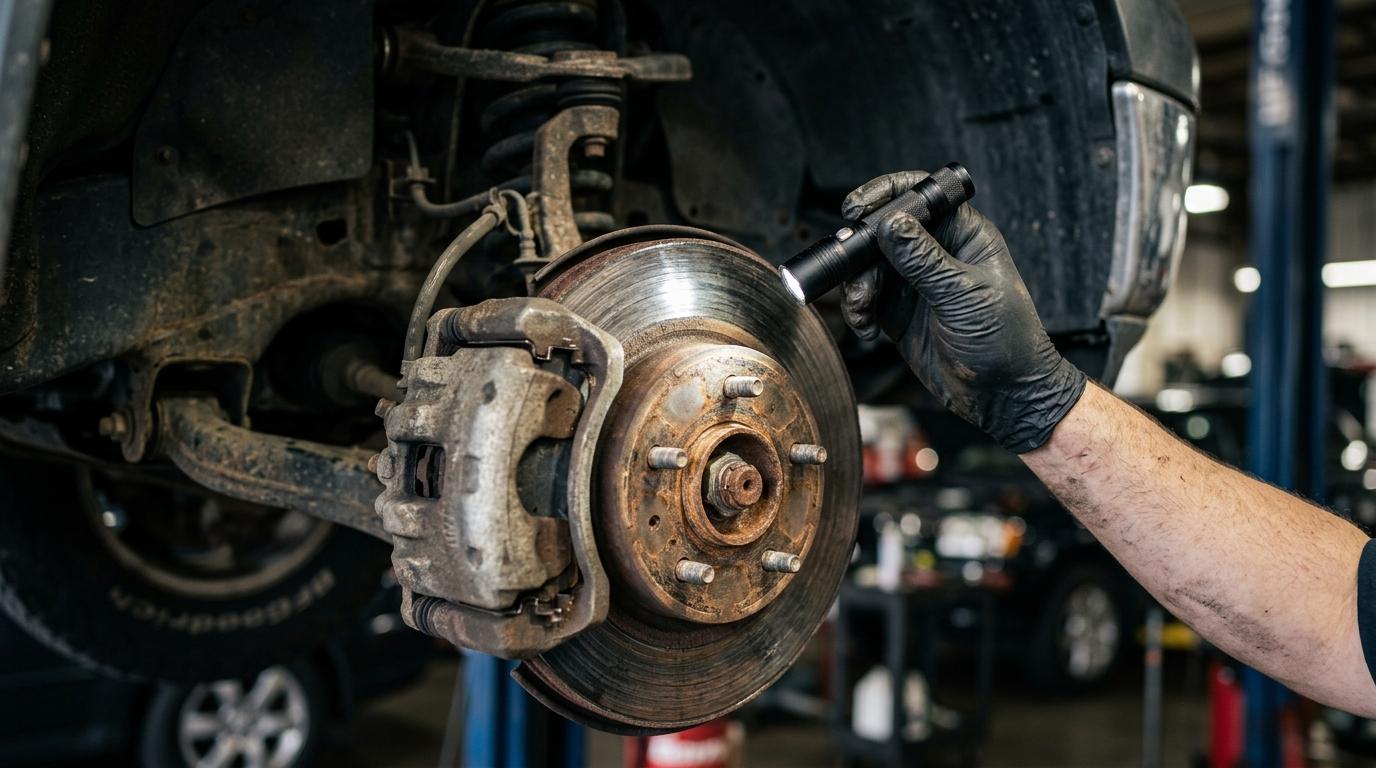
The key is discipline during selection. Commercial vehicles age differently from personal cars. A clean exterior means very little if the suspension, drivetrain, or cargo area has absorbed years of heavy use. Service history, accident checks, tire wear, brake condition, and signs of overloading all deserve close attention. For cross-border buyers or companies operating between the [UAE](https://zamansafi.com/buyusedcarsindubai) and African markets, service network access and parts availability are just as important as price.
A careful used-vehicle review should include:
- **Inspection quality**: Look for verified [condition reports](https://zamansafi.com/BlogDetail/pre-purchase-vehicle-inspection-condition-report-service), not just polished photos.
- **Mileage context**: High mileage on steady highway use may be less risky than lower mileage with severe stop-start abuse.
- **Upfit condition**: Shelving, refrigeration, racks, and canopies should be checked as carefully as the base vehicle.
- **Ownership trail**: Clear records reduce surprises with registration, maintenance history, and prior damage.
- **Model reputation**: Focus on vehicles known for durability and broad parts support in your market.
This is where reputable sourcing matters. [Pre-inspected listings](https://zamansafi.com/BlogDetail/what-pre-inspected-really-means-a-simple-checklist-you-can-understand), transparent reports, and seller verification can save time and protect the buyer from expensive mistakes. For work vehicles, confidence is built by evidence, not by promises.
## Smart Vehicle Priorities for the Next Purchase
A compact van is often the best starting point for urban delivery and light service work. A full-size van makes sense when cargo volume, upfitting, and secure loading are top priorities. A pickup earns its place when towing, rough ground, bulky materials, or rural access shape the workday.
That framework keeps the decision focused. Buy for the real route, the real load, and the real growth plan. When those three line up, even a modest fleet can operate with the discipline and reliability of a much larger business.