
- ZamanSafi
- 09 Mar 2026
How to Compare Two Used Cars Online Using Inspection Reports
Buying a used car online can feel like a gamble until you start treating the inspection report as your primary source of truth. With two similar listings on screen, the report is what turns “I think this one is better” into a decision you can explain, defend, and finance with confidence.
Inspection reports also make long-distance purchasing realistic. When you are comparing vehicles [in the UAE](https://zamansafi.com/usedcarsdirectowneruae) for local use or export to [Kenya](https://zamansafi.com/carsforsaleinkenya), Uganda, Tanzania, Zambia, or [Malawi](https://zamansafi.com/usedcarsforsaleinmalawi), you may not be able to personally inspect every option. A well-structured report becomes the shared language between buyer, seller, and inspector.
## Start by Standardizing the Playing Field
Before you compare report details, make sure you are comparing *like with like*. Two cars can look similar in photos and still be fundamentally different purchases.
Match these basics first: year (manufacture and registration if both are shown), trim/engine, drivetrain, fuel type, transmission, and mileage units (km vs miles). If one listing includes export-oriented fields like FOB price or registration month, capture those too, because they affect your true cost and timing.
After you have a baseline, your goal is simple: reduce the decision to a small number of high-impact differences that explain the price gap.
## Treat the Report as Three Stacked Decisions
A useful way to read any inspection report is to split it into three categories. This helps you avoid overweighting shiny paint or underweighting structural risk.
- Vehicle history
- Mechanical and structural integrity
- Cosmetic condition
You are not trying to find a “perfect” used car. You are trying to find the car whose *imperfections* are acceptable, priced correctly, and unlikely to become expensive surprises.
## Step 1: Compare Vehicle History Like a Risk Analyst
History is where “cheap today” often becomes “expensive later.” Even when a listing says accident-free, confirm what the report and supporting documents actually show.
Focus on evidence, not adjectives. A report is strongest when it ties claims to records: service entries, mileage consistency, ownership timeline, and any documented incidents.
A practical set of history checks looks like this:
- **Service documentation:** Is there a consistent schedule, or gaps that leave you guessing?
- **Mileage credibility:** Does reported mileage match service records and wear indicators noted by the inspector?
- **Accident and repair signals:** Are there notes about replaced panels, repaint, weld marks, or alignment adjustments?
- **VIN and paperwork:** Is the VIN present (even partially) and consistent across the listing and report?
If one car has cleaner history but slightly higher mileage, it can still be the better bet. Consistent maintenance often predicts fewer major repairs than “low km” alone.
## Step 2: Weight Mechanical and Structural Findings Above Everything Else
Mechanical health and structural integrity decide whether the car will be reliable, safe, and economical. Cosmetic flaws can be negotiated. Frame concerns and drivetrain problems can follow you for years.
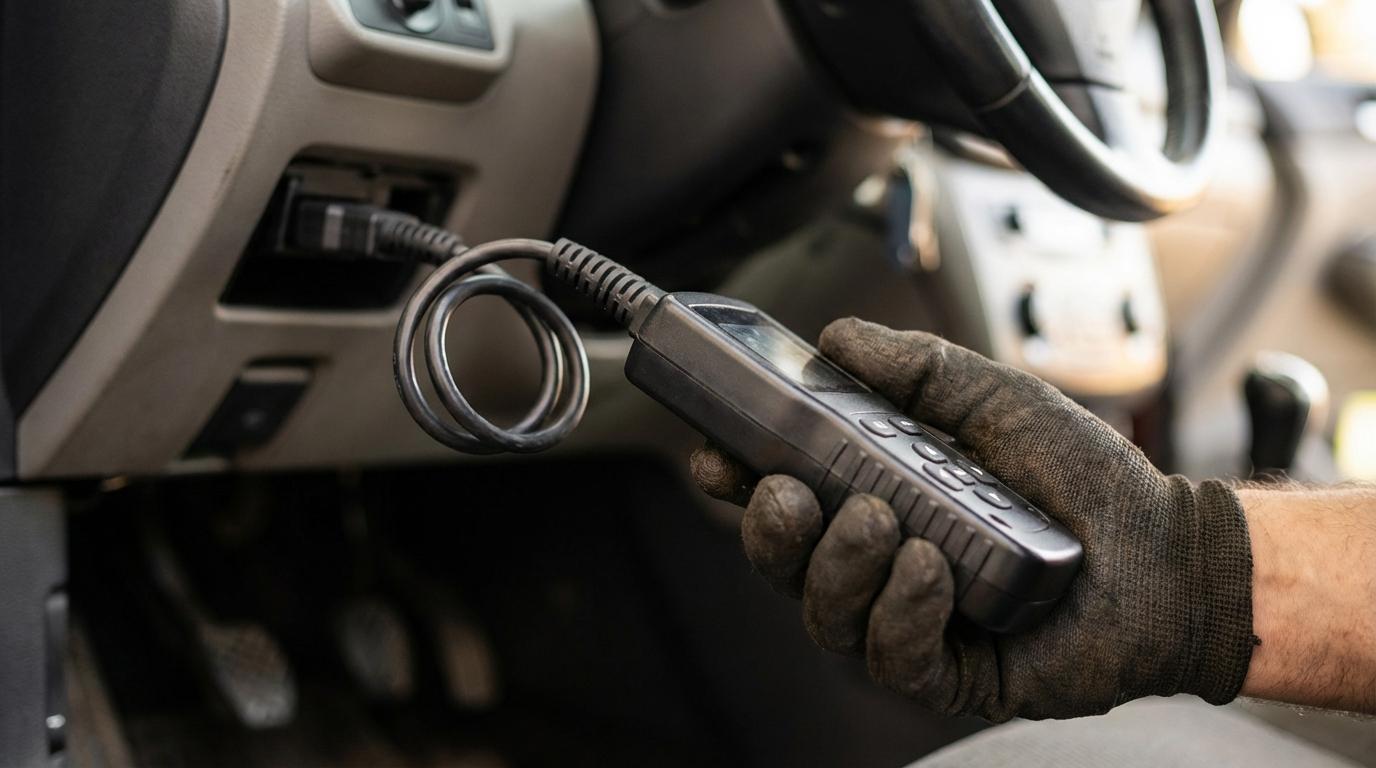
When you read the mechanical section, look for specificity: fluid condition, leak locations, fault codes, brake measurements, suspension play, tire age, and road test notes. The strongest reports do not just say “OK,” they show what was checked and what was observed.
After you have both reports in hand, prioritize a small set of “deal-shaping” items:
- Engine oil leaks and coolant leaks
- Transmission shift quality and fluid condition
- Brake pad and rotor condition, brake fluid notes
- Suspension bushings, ball joints, shocks, steering play
- Undercarriage condition and corrosion
- Frame or chassis alignment indicators
A one-line note like “oil seep” can mean very different things depending on location and severity. If the report is vague, request clarification or a follow-up photo from the inspection source.
## Step 3: Use Cosmetic Details to Validate the Story
Cosmetic condition is still valuable, just in a different way. It helps you judge care, confirm accident narratives, and estimate resale appeal.
Panel gaps, mismatched paint, overspray on trim, or irregular fasteners can indicate prior repairs. Heavy interior wear on a “low mileage” car raises questions about odometer credibility or usage intensity.
If the two cars are mechanically similar, cosmetic condition can be your tie-breaker because it influences:
- buyer perception at resale
- time and money spent correcting defects
- how “honest” the car feels relative to its history
A clean interior and consistent paint are not proof of mechanical excellence, but inconsistency can be a warning that the history section deserves another look.
## Build a Side-by-Side Scorecard (Without Overcomplicating It)
You do not need a 100-point spreadsheet to compare two used cars effectively. You need a repeatable structure.
Use a simple scorecard where every item is marked as one of: *clear*, *minor*, *major*, or *unclear*. “Unclear” is important because it highlights where you need follow-up before you commit money.
After you finish both reports, write a one-sentence summary for each car: “Car A is stronger mechanically but has repaint and missing service records,” versus “Car B has a cleaner history and underbody, but needs tires and front brakes soon.” That sentence often reveals the rational choice.
Here is a compact way to assign weight, keeping the focus on what matters most:
- **High weight:** frame/chassis, engine, transmission, airbags/safety systems, overheating signs, heavy corrosion
- **Medium weight:** suspension, brakes, tires, electrical faults, HVAC function
- **Low weight:** small dents, minor scratches, worn trim, cosmetic interior marks
## A Comparison Table You Can Reuse
The table below shows a practical structure for comparing two vehicles using inspection reports. Treat the example values as placeholders and swap in the findings from the reports you are reviewing.
| Criterion | Car A (Example) | Car B (Example) | What it means when choosing |
|---|---|---|---|
| Mileage | 120,000 km | 75,000 km | Lower mileage can reduce wear, but only when service history supports it. |
| Service records | Gaps, inconsistent | Regular intervals documented | Consistency reduces uncertainty and can justify a higher price. |
| Accident indicators | Rear repair noted, panel variance | No repair indicators noted | Repair is not always disqualifying, but it should be reflected in price and verified quality. |
| Engine condition | Oil leak observed | No leaks reported | Leaks change total cost of ownership quickly, especially if export timelines are tight. |
| Transmission/drivetrain | Slight shift harshness | Smooth shifts | Small drivability notes can become major repair bills later. |
| Undercarriage and rust | Surface corrosion starting | Clean, no corrosion mentioned | Corrosion risk is higher-impact in long-term ownership and resale. |
| Tires and brakes | Tires aging, pads mid-life | Tires newer, pads low | Wear items are negotiable, but you want clarity on replacement timing. |
| Electronics and fault codes | Stored code present | No codes reported | Electrical diagnosis can be time-consuming; confirm if the code is active or historic. |
| Overall report quality | Some vague items | Detailed measurements and photos | Better documentation usually means fewer surprises. |
## Check the Report Source Before You Trust the Report
Two inspection reports can look equally “official” and still carry very different credibility. Strong reports tend to share a few traits: clear checklist scope, inspector identification, dated results, photos, and measurements.
If you are buying from a [dealer](https://zamansafi.com/cardealers) that provides verified listings and pre-inspected vehicles, ask who performed the inspection and whether the report is third-party. For cross-border buyers, this matters because disputes are harder once the vehicle is shipped.
After reviewing the reports, ask a short set of verification questions before you reserve the vehicle:
- **Who completed the inspection:** Independent third party or internal team?
- **What was the checklist scope:** 150-point, 400-point, 600-point, or other defined standard?
- **When was it inspected:** Date matters because vehicles can change in storage or transport.
- **What evidence is attached:** Photos, paint readings, fault-code screenshots, underbody images.
- **What can be rechecked:** Whether a fresh inspection can be arranged if you are close to purchase.
## Translate Findings Into Negotiation, Not Just Elimination
A report is not only a gatekeeper. It is also a pricing tool.
If Car A has excellent mechanical results but needs tires and front brakes, that is a clean negotiation path because those costs are predictable. If Car B looks cleaner cosmetically but has an “unclear” note on coolant loss, that uncertainty is harder to price and may justify walking away or requesting a re-inspection.
This is where export-aware listing details can help. When a platform shows information like FOB pricing, registration year versus manufacture year, and partial VIN visibility, you can estimate your real landed cost while still keeping the comparison anchored in condition.
## Two Bulletproof Ways to Avoid Misreading a Report
Even sophisticated buyers misread inspection reports when they move too fast. The most reliable approach is to force yourself to reconcile the report with the listing claims and the photos.
Use these habits:
- Read the summary last
- Highlight every “unclear” item
- Match defects to photos
- Confirm mileage with records
- Request the missing page before paying
And when you need to follow up with the seller or dealer, keep your questions tightly scoped:
- **Leak location:** “Is the oil leak from the valve cover, oil pan, or front crank seal?”
- **Paintwork proof:** “Which panels show repaint, and are there paint meter readings?”
- **Accident scope:** “Was any structural repair noted, or only bolt-on panel replacement?”
- **Fault codes:** “Can you share the scan tool output and whether the code returned after clearing?”
- **Service gaps:** “Can you provide invoices or stamps covering the missing intervals?”
A good seller can answer directly. A hesitant seller often signals that the report is not the whole story.
## When the Decision Is Close, Choose Clarity Over Optimism
Sometimes both cars look good and both reports are mostly clean. In that situation, the best choice is usually the car with fewer unknowns, even if it costs a bit more.
Clarity travels well. It matters when you are arranging financing, planning maintenance, or coordinating shipping from the UAE to an African destination where time, parts availability, and downtime affect daily life or business operations.
If you approach the comparison with a structured scorecard, a skeptical eye toward history, and a high standard for mechanical certainty, inspection reports stop being paperwork and start becoming your competitive advantage as a buyer.