
- ZamanSafi
- 11 Mar 2026
Shipping Coordination Support: Port-to-Port Logistics for Vehicle Delivery
Moving a vehicle from one port to another sounds simple until you account for vessel cutoffs, terminal rules, export paperwork, customs filings, and the small timing gaps that can turn into storage charges.
Port-to-port shipping coordination is the disciplined work of keeping every party on the same schedule, with the right documents in the right hands, so your vehicle can load, sail, arrive, and clear with fewer surprises.
## What port-to-port vehicle logistics coordination covers
Port-to-port coordination focuses on everything that happens from the origin port gate-in to the destination port release. It does not stop at “booking a vessel.” It connects the booking to the actual operational steps at terminals and with carriers.
For buyers sourcing from the [UAE](https://zamansafi.com/usedcarsdirectowneruae) and shipping into African markets, the coordination layer matters because ports are high-throughput environments. A single missed cutoff time, a document mismatch, or a late inspection request can delay a vehicle that is otherwise ready to ship.
When coordination is done well, you get predictability. When it is not, costs often show up as storage, demurrage, detention, re-booking fees, and time lost waiting for the next sailing.
## How coordination reduces delays and cost exposure
The goal is practical: reduce dwell time at both ports and keep paperwork clean enough to support fast customs processing.
A strong coordination process typically centers on:
- **Schedule control:** matching vehicle readiness, port cutoffs, and sailing dates
- **Document readiness:** ensuring the export file and shipping documents are consistent
- **Terminal compliance:** meeting gate-in rules, inspections, and loading conditions
- **Exception handling:** reacting quickly to rolled bookings, port congestion, or weather
You also want clear ownership of communications, so there is one thread connecting shipper, freight partners, port agents, and the receiving party.
## A typical port-to-port flow for vehicle shipments
Most shipments follow a repeatable sequence, even though the details vary by destination, carrier, and whether the vehicle moves via RoRo or container.
| Step | What happens | Coordination focus |
|---|---|---|
| Vehicle readiness | Vehicle is confirmed for export and prepared | Condition checks, accessory inventory, keys handling, photos where needed |
| Booking | Space is reserved on a sailing | Sailing selection, cutoff dates, routing, carrier requirements |
| Export documentation | Export file and shipping instructions are prepared | Data accuracy across invoice, shipper/consignee, chassis number, and cargo description |
| Port gate-in | Vehicle is delivered to the terminal or consolidation point | Timing to meet cutoff, terminal entry rules, status confirmation |
| Loading and departure | Vehicle is loaded and vessel sails | Load confirmation, document issuance, departure milestone update |
| Arrival | Vessel reaches destination port | ETA monitoring, discharge confirmation, destination agent coordination |
| Import clearance | Customs and any inspections are completed | Document handover, response to queries, release status monitoring |
| Port release | Vehicle is released to the consignee or onward transport | Release order readiness, pickup scheduling, avoiding extra storage days |
A process like this is where a dealer with export experience can add real value, since the same operational patterns repeat across shipments.
## Documentation and customs support that keeps shipments moving
Vehicle logistics is document-heavy. Small inconsistencies can trigger manual review, which slows clearance.
Coordination support often includes preparing, validating, and sharing key items in the export pack, then confirming the destination side has what they need before the vessel arrives. Depending on lane and carrier, documents may move through electronic channels, while originals and stamps still matter in certain cases.
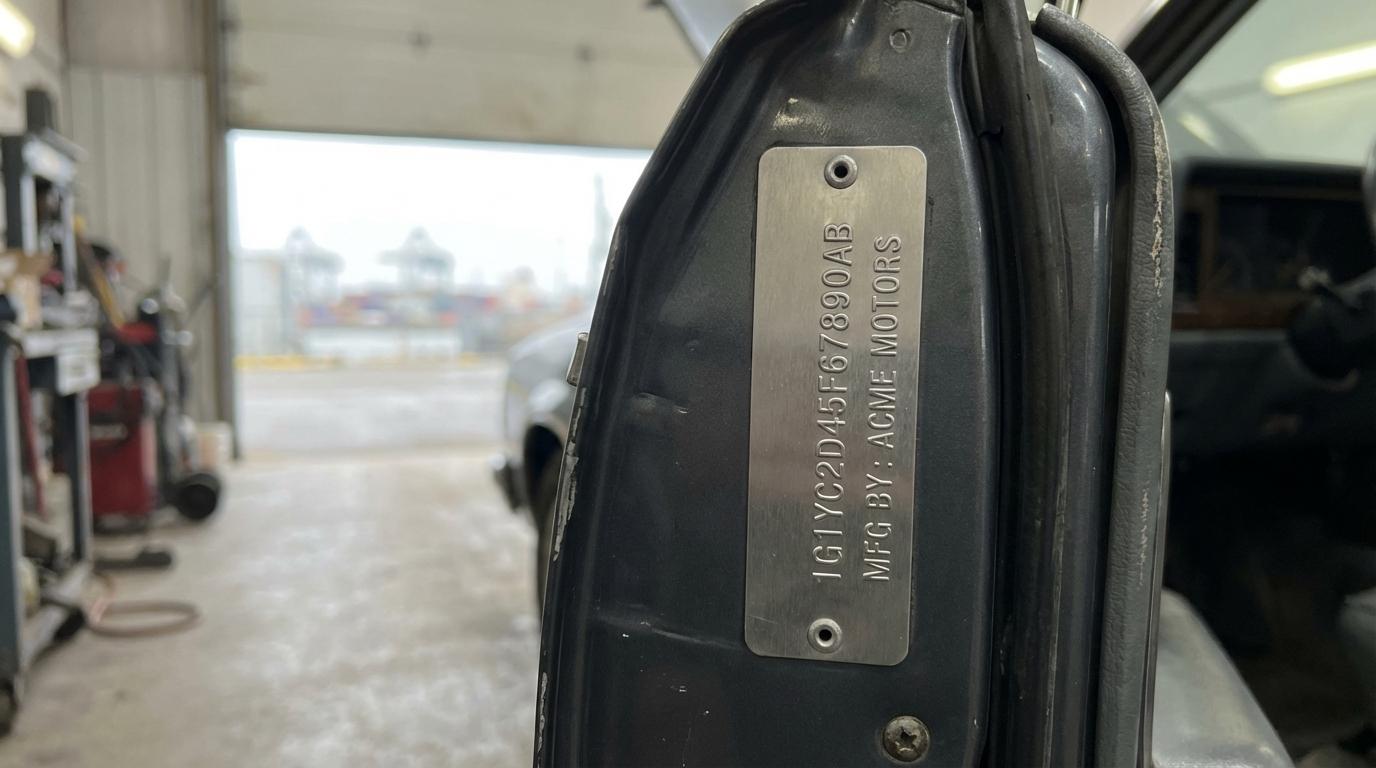
Common document and compliance checkpoints include vehicle identity details (VIN or chassis number), shipper and consignee names, and the cargo description matching the booking and the bill of lading. Many delays come from avoidable data drift between these fields.
A practical approach is to treat documentation like a checklist with version control: one source of truth, reviewed early, then released to all parties in the format they require.
## Visibility and communication across multiple stakeholders
Ports are busy, and a vehicle can change status quickly: received at terminal, gated-in, loaded, rolled to next vessel, discharged, held for inspection, released.
Coordination is the communication layer that keeps everyone working from the same status, with fewer last-minute calls. This often combines carrier updates, vessel position tracking, and confirmations from port agents or terminals.
Expect milestone-based updates rather than constant noise. The most useful moments to communicate are the ones that affect decisions: gate-in confirmation, vessel departure, arrival, document release, and customs release.
## Choosing the right shipping method: RoRo vs container
Two main options are used for international vehicle movements. Each has tradeoffs related to cost, handling, and timing.
| Option | Best fit | Key considerations |
|---|---|---|
| RoRo (roll-on, roll-off) | Standard vehicles shipping on established RoRo routes | Port schedules, terminal capacity, vehicle must be drivable, personal items restrictions |
| Container shipping | Vehicles needing additional protection or flexible routing | Loading plan, lashing and blocking, container availability, possible consolidation |
RoRo is often the simplest operationally when direct services are available. Container shipping can be a strong option when you need route flexibility or added protection, or when consolidating multiple vehicles.
## Who this service supports
Haji Zamansafi Motors FZE works with buyers across the UAE and multiple African countries, often serving [dealers](https://zamansafi.com/cardealers) and small businesses that need reliable vehicle supply and export coordination.
Coordination support is especially helpful for:
- first-time importers who want fewer moving parts
- dealers managing recurring shipments and tight turnover targets
- fleet buyers seeking consistent documentation and predictable arrivals
Because the vehicles are pre-owned and often multi-brand, clear inspection notes and verified listing details also support smoother insurance, shipping declarations, and receiving checks.
## What we coordinate when you buy and ship vehicles
When shipping is arranged as part of a vehicle purchase, coordination typically spans both commercial and operational details. It is not only about the vessel.
You can expect support that centers on:
- **Booking management:** securing space and confirming cutoffs and sailing details
- **Export file preparation:** assembling the paperwork set that matches the shipping instructions
- **Port handoffs:** coordinating delivery to the terminal or consolidation point and confirming gate-in status
- **Milestone updates:** keeping you informed from departure through arrival and release readiness
This structure helps reduce the risk of a vehicle being ready while the shipping plan is not.
## Information needed to start port-to-port coordination
Accurate inputs early create speed later, especially for customs and bill of lading issuance.
Before scheduling, it helps to have:
- Vehicle make, model, year
- **Chassis/VIN:** exact characters as shown on the vehicle documents
- Destination port and consignee details
- **Shipping preference:** RoRo or container, plus any timing targets
- Contact details for the receiving party or clearing agent
If any item is uncertain, it is better to flag it early than to correct it after documents are issued.
## Common issues and how they are managed
Even well-planned shipments face disruptions. Coordination is measured by how quickly exceptions are identified and contained.
Typical scenarios include:
- **Rolled cargo:** the vehicle misses the planned sailing and moves to the next available departure
- **Port congestion:** longer berth waits and slower discharge, which can affect storage timing
- **Customs queries:** requests for clarifications when document fields do not match or require verification
A calm, structured response usually means confirming the current status from the carrier or agent, sharing the right supporting documents, and adjusting pickup timing to avoid unnecessary charges.
## A practical next step
If you are sourcing vehicles in the UAE for [Kenya](https://zamansafi.com/carsforsaleinkenya), [Uganda](https://zamansafi.com/carsforsaleinuganda), [Tanzania](https://zamansafi.com/toyotaintanzania), Zambia, or [Malawi](https://zamansafi.com/usedcarsforsaleinmalawi), port-to-port coordination can be planned alongside vehicle selection, financing, and trade-in decisions, so shipping timelines and documentation needs are accounted for from day one.