
- ZamanSafi
- 12 Apr 2026
VIN Checks vs. Inspection Reports: What You Need for Confident Buying
Buying a used vehicle with confidence takes more than a quick test drive and a few photos online. Two documents matter more than most buyers realize: the VIN check and the [vehicle inspection report](https://zamansafi.com/BlogDetail/pre-purchase-vehicle-inspection-condition-report-service).
They are often treated as if they do the same job. They do not. One looks backward through recorded history. The other looks at the vehicle as it sits today. When buyers know the difference, they make better decisions, negotiate from a stronger position, and avoid expensive surprises.
A smart purchase is rarely built on one source of information. It is built on a full picture.
## What a VIN check tells you about a vehicle’s history
A VIN check, sometimes called a vehicle history report, uses the car’s 17-character Vehicle Identification Number to pull data from databases tied to [title records](https://zamansafi.com/BlogDetail/export-documentation-support-title-invoice-and-compliance-paperwork), insurance events, mileage entries, recalls, and other documented activity.
This report is about paper trail, legal status, and reported events. It can show whether a car has a clean title or whether it was branded salvage, rebuilt, junk, or flood-damaged in a recorded system. It may also reveal theft records, liens, odometer inconsistencies, and open recall campaigns.
That matters because some of the biggest risks in used car buying are not visible from the outside. A polished SUV can still carry a troubling title history. A sedan with a clean interior can still have an odometer story that does not add up. A pickup that starts easily can still have a recall that needs attention.
After you review the basics, these are the most valuable items to verify in a VIN check:
- **Title status:** clean, salvage, rebuilt, junk, flood
- **Accident records:** reported collisions or damage claims
- **Mileage history:** odometer entries over time
- **Ownership pattern:** number of past owners and registration changes
- **Theft or lien records:** legal or financial red flags
- **Recall information:** open manufacturer safety campaigns
A strong VIN report gives buyers context. It helps answer questions like: Has this vehicle had a stable ownership history? Has it been written off before? Does the mileage trend look credible? Are there legal issues that could affect registration or resale?
## What a vehicle inspection report shows about current condition
A vehicle inspection report is different in both purpose and method. It is a physical assessment performed by a qualified mechanic or inspection professional. Instead of relying on databases, it relies on direct observation, testing, and hands-on review.
This report is about present condition, safety, wear, and mechanical health. It can identify brake wear, suspension issues, leaks, poor tire condition, rust, warning lights, steering faults, battery weakness, and electrical problems. It may also note signs of previous repairs, uneven paintwork, or structural concerns that deserve closer review.
A history report cannot tell you whether the transmission shifts properly today. An inspection can. A history report cannot confirm whether the tires are near replacement or the cooling system is under stress. An inspection can.
A thorough inspection often covers:
- engine and transmission
- brakes and tires
- steering and suspension
- lights and electronics
- fluids and leaks
- body and undercarriage
- safety equipment
- emissions-related items where applicable
This is where buyers move from paperwork to reality. If the VIN report says the history looks acceptable, the inspection answers the next question: is this still a good vehicle to own now?
## VIN check vs vehicle inspection report: the key differences
The easiest way to think about it is simple. A VIN check asks, “What has been recorded about this vehicle?” An inspection report asks, “What condition is this vehicle in today?”
Here is a clear side-by-side comparison:
| Aspect | VIN Check | Vehicle Inspection Report |
|---|---|---|
| Main purpose | Verify documented history and legal status | Assess current mechanical and safety condition |
| Focus | Past records | Present condition |
| Typical findings | Title brands, reported accidents, mileage logs, theft records, liens, recalls | Brake wear, leaks, suspension issues, tire condition, electrical faults, visible damage |
| Data source | Databases, title systems, insurers, service or recall records | Physical review by a mechanic or inspector |
| Can it detect unreported mechanical issues? | No | Yes, often |
| Can it detect past title branding? | Yes, if recorded | No |
| Best use | Early screening before serious negotiation | Final condition check before purchase |
| Main limitation | Depends on what was reported into the system | Cannot reveal hidden legal or title history |
Neither report replaces the other. They answer different questions, and both are necessary if the goal is a confident purchase.
## Why confident buyers use both reports
When a buyer relies only on a VIN check, the legal and historical side may look clean while expensive mechanical faults stay hidden. When a buyer relies only on an inspection, the vehicle may feel solid on the road while title problems, salvage history, or mileage irregularities remain unseen.
That is why experienced buyers combine both. They use the VIN check to screen for serious red flags early, then use the inspection report to confirm the vehicle is worth buying at the asking price.
This approach is especially useful for higher-value vehicles, [family SUVs](https://zamansafi.com/cars/bodyStyle/SUV), [commercial pickups](https://zamansafi.com/cars/bodyStyle/PICK%20UP%20TRUCK), and cross-border purchases. The financial exposure is larger, and so is the need for clarity. A few checks up front can protect against repair bills, registration setbacks, and resale problems later.
There is also a negotiation advantage. If the VIN report is strong but the inspection shows worn tires, weak brakes, or pending maintenance, the buyer can ask for repairs, a price reduction, or a different vehicle. If the inspection looks good but the history report raises title or accident concerns, the buyer can stop before committing funds.
## Risks of using only one report
Skipping either report creates blind spots, and blind spots are where expensive mistakes begin.
A buyer who skips the VIN check may miss past flood damage, an unresolved lien, a salvage brand, or an odometer inconsistency that affects value and legality. These are not small details. They can shape insurance options, financing eligibility, resale potential, and peace of mind.
A buyer who skips the inspection faces a different kind of risk. The car may have no meaningful paper issues, but it may still need brakes, suspension work, tires, battery replacement, or major engine attention. Those costs do not wait politely. They tend to arrive quickly, often right after purchase.
The most common gaps look like this:
- **History-only review:** misses present wear and hidden mechanical faults
- **Inspection-only review:** misses title status, recorded damage, lien, and theft issues
- Both skipped
- Quick visual check instead of real inspection
- Assumptions based on seller confidence
In used vehicle buying, confidence should come from verification, not from optimism alone.
## When to request a VIN check and when to book an inspection
Timing matters. Buyers do not need to inspect every car they casually browse, but they should not wait until money is committed either.
The VIN check usually comes first. It is an efficient filter. If a vehicle has a title problem, mileage concern, or troubling accident history, there is little reason to spend time arranging a deeper inspection. Once the history clears the first stage, the inspection becomes the next smart move.
A practical buying sequence looks like this:
1. Shortlist the vehicle based on listing details, price, and seller credibility.
2. Request or run the VIN check before serious negotiation.
3. Review the service records if available.
4. Arrange an independent or dealer-supported inspection.
5. Use both reports to decide, negotiate, or walk away.
This order saves time and gives structure to the purchase process. It also keeps emotion from taking over too early, which happens often when buyers fall in love with a specific vehicle before reviewing the facts.
## What to look for in a good vehicle inspection report
Not all inspection reports are equally useful. A one-page checklist with a few ticks is not the same as a detailed assessment from a qualified technician.
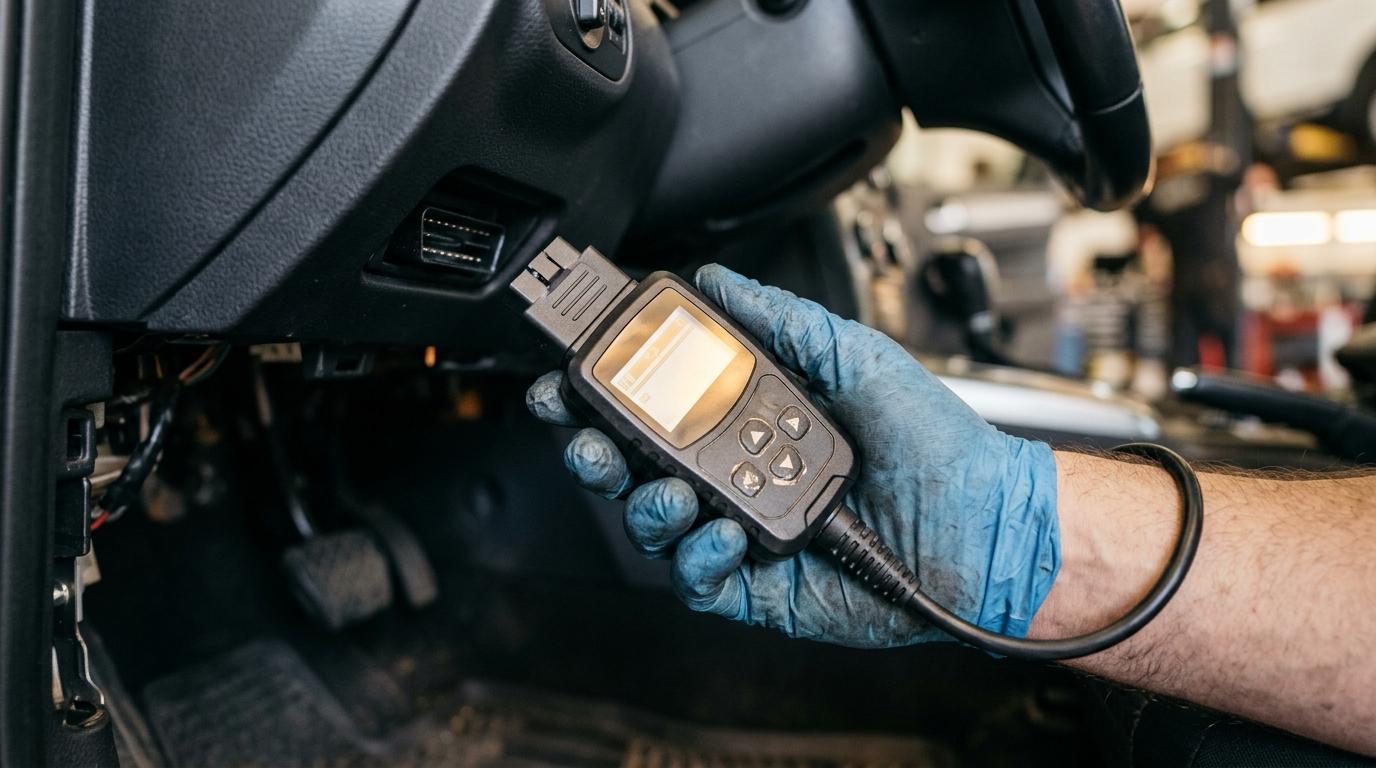
The best reports describe condition clearly, identify urgent issues, and separate minor cosmetic points from meaningful mechanical concerns. They should also note whether the car was road-tested, scanned for fault codes, and checked underneath where many issues hide.
When evaluating an inspection report, ask whether it includes:
- **Mechanical systems:** engine, transmission, cooling, belts, hoses
- **Safety systems:** brakes, tires, lights, airbags, seat belts
- **Chassis condition:** suspension, steering, underbody, frame signs
- **Fluid review:** leaks, contamination, levels, condition
- **Electrical review:** battery, warning lights, switches, sensors
- **Road-test notes:** noise, vibration, shifting, braking feel
A useful report does not need dramatic language. It needs clear findings and practical relevance. Buyers should know what needs immediate attention, what can wait, and what affects value.
## How UAE and African market buyers should use both checks
For buyers in the [UAE](https://zamansafi.com/buyusedcarsindubai) and across markets like [Kenya](https://zamansafi.com/carsforsaleinkenya), [Uganda](https://zamansafi.com/carsforsaleinuganda), Tanzania, Zambia, and [Malawi](https://zamansafi.com/usedcarsforsaleinmalawi), the case for using both reports becomes even stronger. Cross-border transactions add another layer of due diligence because the vehicle may be purchased in one market and registered or used in another.
A VIN check helps verify identity, title history, reported damage, and recall data before the vehicle changes jurisdictions. An inspection report helps confirm the vehicle is physically suitable for local roads, climate, business use, and operating costs.
This matters for private buyers and small businesses alike. A family SUV needs reliability and safety. A pickup or van used for transport or trade needs uptime and predictable maintenance. One missed issue can affect income, logistics, and trust in the purchase.
For cross-border buyers, focus on these points early in the process:
- **Vehicle identity:** VIN matches documents, listing, and chassis plate
- **Import suitability:** model year, specification, and local eligibility
- **Road condition readiness:** suspension, tires, cooling, and braking health
- **Commercial practicality:** payload-related wear, serviceability, parts access
Dealers that offer [verified listings](https://zamansafi.com/BlogDetail/pickup-trucks-for-export-verified-listings-and-inspection-reports), detailed reports, and [pre-inspected inventory](https://zamansafi.com/BlogDetail/what-pre-inspected-really-means-a-simple-checklist-you-can-understand) can reduce the amount of uncertainty. That added clarity is valuable, especially when buyers are purchasing remotely or narrowing choices from another country.
## What to ask the seller or dealer before paying a deposit
A deposit should follow verification, not replace it. Before funds are sent, buyers should ask direct questions and request documents in writing where possible.
This is not about suspicion. It is about discipline. Serious sellers and professional dealers are usually prepared for these questions and can respond clearly.
Useful questions include:
- **Can you provide the VIN check report?**: Ask for the full report, not a summary screenshot.
- **Has the vehicle been independently inspected?**: If yes, request the actual inspection document.
- **Are there service records available?**: A history of maintenance adds useful context.
- **Are there any open recalls?**: Confirm whether they have been addressed.
- **Has the vehicle had paintwork or body repairs?**: Minor work is not unusual, but it should be disclosed.
- **Can my mechanic inspect it before payment?**: A confident seller should be comfortable with this step.
If answers are vague, delayed, or inconsistent, that is information too.
A confident used car purchase is rarely about finding a perfect vehicle. It is about finding a verified one, priced fairly, with a history and condition that make sense together. When the VIN check and inspection report support each other, buyers move forward with far more clarity, whether they are shopping for a city sedan, a family SUV, a work pickup, or a cross-border fleet vehicle.