
- ZamanSafi
- 25 Mar 2026
What “Pre-Inspected” Really Means: A Simple Checklist You Can Understand
When you shop for a used vehicle, few labels sound more reassuring than *pre-inspected*. It suggests the car has already been checked before it reached the listing, and that can make the buying process feel far less uncertain.
Still, the phrase is often used loosely across the market. Some buyers hear it and assume it means a legal certification or a guarantee against future repairs. In most cases, it means something more practical: the vehicle has been reviewed for condition, key systems have been checked, and the seller has documented what they found.
## Why the label matters
A pre-inspected vehicle is usually one that has gone through a condition review before sale. That review often covers both mechanical and cosmetic items, then gets summarized in a report, photos, or listing notes. The goal is simple: give buyers a clearer picture of the car before they commit time, money, or travel.
On Zamansafi.com, the label is presented in that spirit. The site describes vehicles as pre-examined and paired with detailed reports, including photos that can show cosmetic flaws down to individual scratches. That points to a quality-assurance process, not a government-issued certification and not a manufacturer-backed standard.
That distinction matters because it sets the right expectation. A pre-inspected car may be a stronger buying option than an undocumented one, but the label is most valuable when it comes with visible evidence and clear answers.
A good pre-inspection can give you:
- Better visibility into condition
- Fewer surprises at viewing
- Easier comparison between listings
- More confidence when buying remotely
## What usually gets checked
Even when a seller does not publish a line-by-line public checklist, most pre-inspections follow a familiar pattern. The review usually starts with what is easy to verify and moves toward what affects drivability, safety, and ownership records.
That means a useful inspection should not stop at a quick wash and a few glossy photos. It should look at how the vehicle runs, how it stops, how it shifts, what shape the tires and suspension are in, whether the electronics work, and whether the car’s identity and paperwork match the listing.
| Area | What is usually checked | What it means for the buyer |
|---|---|---|
| Exterior and bodywork | Paint, dents, scratches, rust, glass, trim, panel fit | Helps you judge cosmetic condition and spot signs of past damage |
| Engine and transmission | Start-up behavior, idle quality, leaks, warning lights, shifting | Shows whether the car behaves normally in basic operation |
| Brakes, tires, and suspension | Tire tread, uneven wear, brake feel, shocks, noises | Affects safety, ride quality, and near-term maintenance cost |
| Lights and electronics | Headlights, indicators, wipers, horn, windows, infotainment, A/C | Confirms day-to-day usability |
| Interior and safety items | Seats, belts, dashboard functions, airbags indicators | Helps confirm cabin condition and essential safety features |
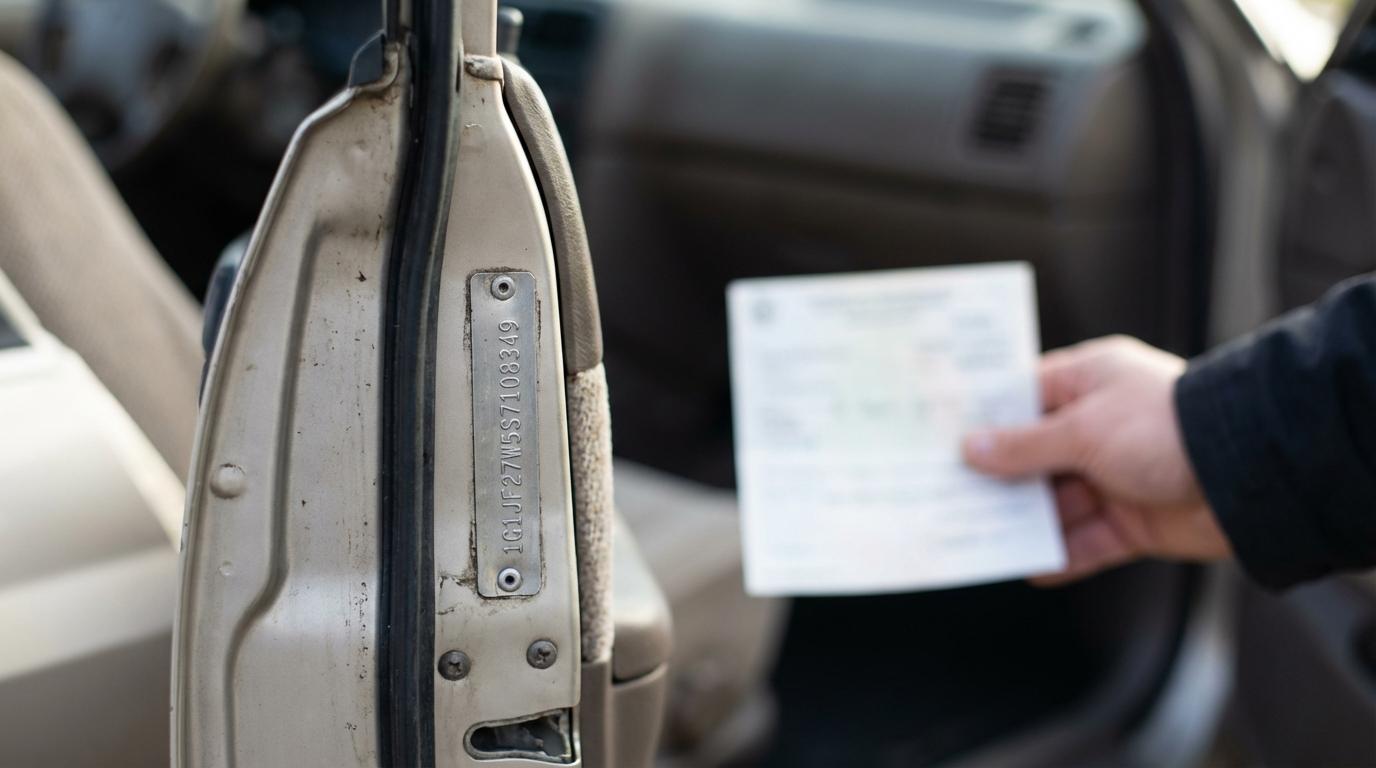
| Documents and vehicle identity | VIN, registration, service records, odometer consistency | Reduces the risk of identity or history issues |
| Road test | Acceleration, steering feel, braking, vibrations, unusual sounds | Shows how the car performs outside a parked inspection |
A strong report gives buyers the condition in plain language. It does not need to be filled with workshop jargon to be useful. In fact, the clearest reports tend to be the most practical.
## A simple checklist you can use yourself
Start with what you can see.
Walk around the vehicle slowly and look for mismatched paint, uneven gaps between panels, cracked lights, damaged glass, and tire wear that looks inconsistent from one side to the other. A pre-inspected listing should make this easier by showing honest photos, not hiding flaws in shadows or distant angles.
Then sit inside and test the things you will use every day. Turn on the air conditioning, check the infotainment screen, run the windows, try the mirrors, test the horn, and look at the dashboard for warning lights. If the vehicle is said to be pre-inspected, these small details should already have been checked, but verifying them yourself still matters.
Next, pay attention to how the engine starts and settles. A healthy start-up should feel controlled, not strained or erratic. Listen for knocking, ticking, or rough idle. Look for smoke from the exhaust. If you can safely check under the hood, watch for obvious leaks, loose components, or signs of poor repairs.
The road test is where many hidden issues reveal themselves.
Drive at low speed and highway speed if possible. Notice whether the transmission shifts smoothly, the steering tracks straight, the brakes feel stable, and the suspension handles bumps without harsh clunks or excessive bounce. A pre-inspection that includes a proper road test is usually far more meaningful than one based only on a parked review.
Finish with the paperwork. The VIN on the car should match the VIN on the listing and documents. Service history, if available, should make sense with the vehicle’s age and mileage. Even a very clean car can become a risky purchase if the records do not line up.
## What “pre-inspected” does not automatically mean
This is where many buyers get tripped up. A pre-inspected label sounds strong, but it should not be treated as a blanket promise that the car is perfect.
Used vehicles wear at different rates, even within the same model line. Climate, road conditions, maintenance habits, cargo use, and driving style all shape the car you see today. A vehicle can pass a seller’s inspection and still need routine work later. That is normal.
It also does not automatically mean the car comes with a warranty, return window, or third-party certification. Unless those terms are stated separately, buyers should treat pre-inspected as a condition review and documentation standard, not a legal guarantee.
Keep these limits in mind:
- Not a government certification
- Not proof that no future repairs will happen
- Not always tied to a warranty
- Not a replacement for careful buyer review
## How to read the report without getting lost in jargon
A good inspection report should answer three basic questions: What was checked? What condition is it in now? What should the buyer expect next?
If a report says the tires are at low tread, that matters because replacement may be near. If it mentions minor scratches and includes photos, that is helpful transparency, not a red flag by itself. If it says the engine runs well but a warning light is on, that item deserves direct follow-up before any payment is made.
The most useful reports tend to separate issues by seriousness. Cosmetic flaws, normal wear items, and urgent mechanical concerns should not be blended together in one vague paragraph. Buyers do best when the report makes that difference obvious.
Clarity builds trust.
## Questions worth asking before you buy
Even with a pre-inspected label, a few direct questions can tell you a lot about the seller’s process. Strong sellers are usually comfortable answering them and sharing supporting material.
Ask for specifics, not just reassurance.
- **Who performed the inspection:** Was it done by in-house staff, a partner workshop, or an outside technician?
- **When was it completed:** An inspection from months ago may not reflect the car’s current condition.
- **Can I see the full report:** Summary phrases are less useful than itemized findings and photos.
- **Was there a road test:** A parked inspection misses issues that show up only while driving.
- **What was found and fixed:** Repairs completed before sale should be clearly stated.
- **Are the listing photos current:** The images should match the vehicle as it sits today.
The goal is not to interrogate the seller. It is to move from a marketing label to real evidence. Once that happens, the phrase *pre-inspected* becomes genuinely useful.
## Why this matters even more when buying online or across borders
For buyers shopping from another city, another country, or a busy work schedule, pre-inspection matters even more because it reduces guesswork before the vehicle is seen in person. That is especially valuable when the purchase involves shipping, export planning, financing approvals, or time-sensitive business use.
In these situations, the best listings do more than say the car is pre-inspected. They support that claim with photos, condition notes, and direct answers about what was checked. If cosmetic imperfections are documented clearly, buyers can judge whether the flaws are acceptable before making travel or transport arrangements.
For small businesses, this can be just as important as it is for private buyers. A pickup, van, or SUV that will support daily operations needs predictable condition, not just attractive pricing. A solid pre-inspection helps the buyer estimate near-term upkeep and avoid costly downtime soon after delivery.
When shopping remotely, ask for the report, the VIN, recent photos, service records if available, and a clear description of any faults still present. If you want extra peace of mind, arrange an independent inspection before the final decision. A pre-inspected label is strongest when it opens the door to transparent proof, not when it asks you to rely on trust alone.